
Why does this matter?
Most people finish a workout and feel something unfamiliar: a dull ache the next morning, a heaviness in the legs, or a tightness that wasn't there before. The instinct is often to either push through aggressively or stop entirely. Neither response accounts for what's actually happening inside the body.
Understanding the physiology behind these sensations changes how you relate to your own movement practice.
Common Signals, Explained
What your body is communicating through physical sensation.
What Retunu Covers
Educational content organized around the full cycle of physical activity and recovery.
During Exercise
What happens to muscles, joints, and energy systems while you're actively moving. Breath patterns, perceived exertion, and what the cardiovascular system is doing in real time.
Immediate Recovery
The minutes and hours right after exercise. How the body begins its repair cycle, why cooling down matters from a biological standpoint, and what drives post-exercise hunger.
Long-Term Adaptation
How repeated exercise sessions over weeks and months change tissue structure, cardiovascular efficiency, and the nervous system's patterns of recruitment and response.
Signals Worth Noting
Not every sensation after exercise is routine. Understanding the difference between typical post-exercise discomfort and signals that may warrant professional attention is an important part of body literacy.
Hydration and the Body
Fluid balance affects performance, recovery, and how soreness feels. The role of hydration before, during, and after exercise is more nuanced than simple water consumption.
Sleep and Repair
Sleep is when much of the body's physical repair occurs. Growth hormone release, tissue regeneration, and nervous system consolidation all happen predominantly during deep sleep stages.
Recovery: A Closer Look
Different timescales, different processes. Explore each phase.
Immediate Post-Exercise Response
In the first two hours after activity, the body is in an acute response state. Heart rate and breathing gradually normalize. Blood flow begins redirecting away from working muscles. Glycogen stores start the process of replenishment if carbohydrates are consumed.
Inflammation begins. This isn't a failure or a problem. It is the body's signaling system activating the repair process. Muscles that experienced mechanical stress release chemical signals that attract repair cells to the area.
Core temperature drops. Sweating may continue briefly. The window immediately after exercise is when the body is particularly receptive to fluid and nutrient intake.
Early Recovery Window
This is when DOMS often begins to emerge. The inflammatory response peaks. You may notice increased sensitivity in the worked muscles, particularly when pressing on them or moving through range of motion.
Sleep quality during this period significantly influences how repair proceeds. Deep sleep stages facilitate hormone release that supports tissue reconstruction. Disrupted sleep doesn't just affect how you feel the next day; it can measurably slow the repair process.
Appetite regulation shifts. Many people notice heightened hunger in this window, which reflects the body's increased metabolic demand during active repair phases.
Active Repair Phase
For most people following moderate to intense exercise, this window contains peak soreness followed by gradual resolution. The inflammatory phase is giving way to the repair and remodeling phase.
Connective tissue, which takes longer to adapt than muscle, is still in an active remodeling state. This is why tendons and ligaments can feel achy even when muscle soreness has already resolved. Light movement during this phase generally supports circulation and can reduce perceived stiffness without impeding repair.
Returning to intense training of the same muscle groups within this window before soreness fully resolves is a common source of accumulated fatigue over time.
Adaptation and Readiness
Beyond 72 hours, most acute post-exercise soreness has resolved for healthy individuals following moderate exercise. The structural changes that exercise initiated are progressing at the cellular level.
Repeated exposure to the same stimulus over weeks produces measurable adaptation: muscles become more efficient at the same task, connective tissue strengthens, and the nervous system refines its motor patterns. What caused significant soreness in week one often produces little to none by week four, not because the exercise is no longer working, but because the body has adapted.
This is the principle behind progressive training. Ongoing adaptation requires the body to encounter novel or increased demands over time.
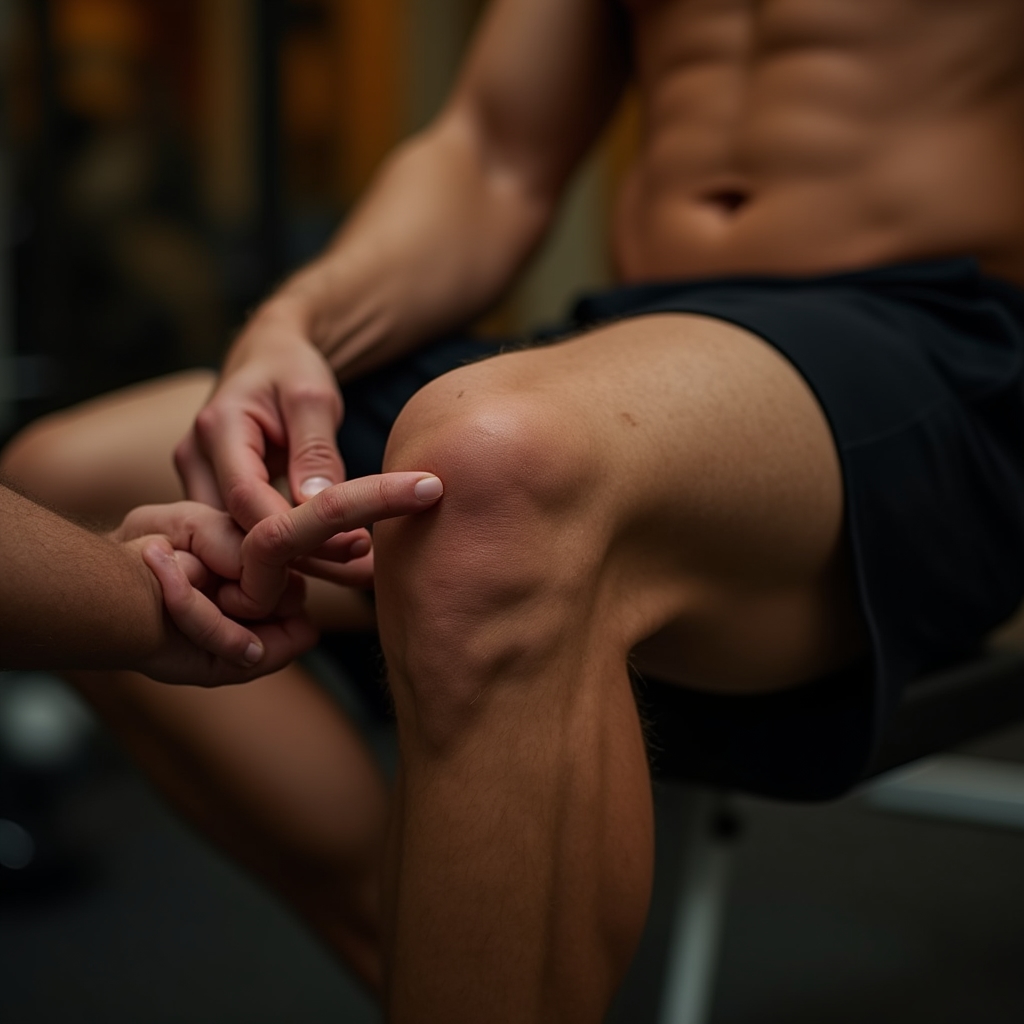
Soreness is a process, not a problem.
The phrase "no pain, no gain" has shaped how many people interpret post-exercise discomfort. But soreness and pain are not the same thing. DOMS reflects normal tissue adaptation. It doesn't require anything except time and appropriate movement.
Sharp, localized pain during exercise is a different signal. So is pain that worsens over several days instead of improving. These distinctions are worth understanding clearly, because the appropriate response to each is different.
Retunu exists to help people build this kind of fluency. Not to diagnose or treat, but to inform. The body's language is specific. Learning to read it is genuinely useful.
Read MoreWhat does real rest actually do?
Rest is frequently misunderstood as the absence of activity. Biologically, it is one of the most active periods in the recovery cycle. Protein synthesis is elevated. Inflammatory markers are being cleared. The nervous system is consolidating patterns from the training session.
Active rest, meaning light movement, walking, or gentle stretching, supports circulation without imposing new mechanical stress. This is different from training through fatigue, which delays recovery rather than accelerating it.
Getting Started
Ready to understand what your body is telling you?
Retunu's educational content is organized to be useful whether you are completely new to exercise science or looking to deepen existing knowledge. Start wherever makes sense for you.